Drawing on over 20 years of experience across sub-Saharan Africa, Nico answers 20 key questions to help you plan the perfect safari
- 01. 1. When did you first catch the safari bug and what’s your experience in this field?
- 02. 2. What would you recommend for the first-time safari-goer?
- 03. 3. What would you recommend for the second-time safari-goer?
- 04. 4. What would you recommend for the third-time safari-goer?
- 05. 5. What would you recommend for the seasoned safari-goer?
- 06. 6. Tell us about gorilla safaris
- 07. 7. Talk us through the dream honeymoon safari
- 08. 8. What safaris work best for large multi-gen gatherings?
- 9. 9. Do you have any top tips for family safaris?
- 10. 10. Describe the perfect family safari for each age group
- 11. 11. Best budget and blow-the-budget options?
- 12. 12. Most unique experiences by destination?
- 13. 13. Favourite safari camps?
- 14. 14. How important is the guide on safari?
- 15. 15. Talk us through safari seasonality
- 16. 16. Ethical concerns – how do you vet camps?
- 17. 17. How far in advance do you need to book a safari?
- 18. 18. What about beach add-ons?
- 19. 19. Any tips for first-timers – things they might not know or often overlook?
- 20. 20. Any pet hates?

I was 15 when I travelled through Zimbabwe and Botswana with my family. We were canoeing on the Zambezi, fly camping on riverbanks, and exploring the Okavango Delta. It was raw, wild, and unlike anything I’d experienced before. That trip cemented my fascination with Africa and its people.
I later spent a bit of time working in Namibia and Kenya, and over the last 20 years I’ve travelled extensively across sub-Saharan Africa. Co-founding Lightfoot Travel gave me the opportunity not just to design safaris that are luxurious and logistically sound, but to open Africa up to a new market.
When I moved to Singapore nearly 16 years ago, very few Asian travellers were considering safari. Many of my African contacts thought I was mad. Now safari has become one of the most sought-after experiences for our clients in Asia, and it’s been extraordinary to see that evolution.
If you’ve been watching David Attenborough’s recent series Kingdom, filmed in Zambia’s South Luangwa, you’ll know exactly why Zambia in particular still feels like the real deal. It’s properly wild, seasonal, and unscripted, which is why I love it.
1. When did you first catch the safari bug and what’s your experience in this field?

2. What would you recommend for the first-time safari-goer?
South Africa is often the easiest introduction. It’s diverse, easy to navigate, and there are malaria-free regions like the Eastern Cape and Madikwe, which make it ideal for families.
In South Africa, properties such as Kwandwe or Dulini offer a refined, well-run introduction with excellent guiding and reliable game viewing.
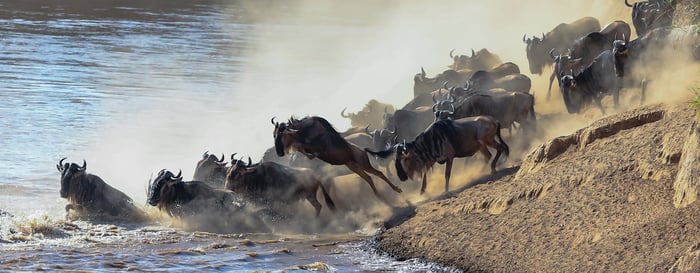
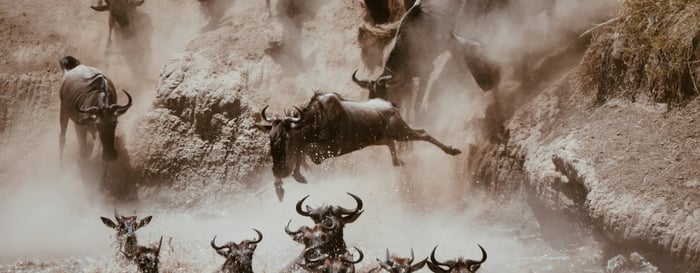
That said, I’d also encourage first-timers not to overlook Kenya. The Maasai Mara delivers that classic landscape people imagine when they think of safari – big skies, open plains, herds moving across the horizon. Camps like Kicheche and Offbeat Safaris are authentic, family-friendly and brilliantly run.
It’s also important to understand that not all safaris are the same, especially in Kenya which is a very popular safari destination. If you stay in the main Maasai Mara Reserve, you’re bound by national park rules. You have to stick to designated tracks, and sightings may be shared with multiple vehicles.
In the private conservancies bordering the Mara, such as Mara North and Naboisho, the experience is very different. You have far fewer vehicles as numbers are regulated by the conservancies, guides can go off-road where appropriate, and activities extend beyond standard game drives. Walking safaris, night drives and cultural visits are possible, and in some areas even mountain biking.
The same applies further north in Laikipia, where Ol Pejeta and Borana operate as private conservancies. Because they’re not governed by national park regulations, there’s greater flexibility – horse riding, camel trekking, fly camping and fishing all become options. It’s a more immersive style of safari. Generally more expensive, but absolutely worth it for many travellers.
For families or multi-generational groups, private houses in Laikipia – Laragai or Lengishu – are superb. They are fully staffed houses with your own guides, offering complete flexibility. You stay in one place and move at your own pace depending on your individual requirements.
Top camp picks:
→ Kwandwe Great Fish River Lodge (Eastern Cape, South Africa) – malaria-free, conservation-led and beautifully positioned above the river valley
→ Londolozi (Sabi Sands, South Africa) – classic Big Five viewing with outstanding guiding
→ Kicheche (Masai Mara Conservancies, Kenya) – intimate, guiding-led and authentic
→ Offbeat Safaris (Kenya) – relaxed, family-friendly camps in prime wildlife areas

If you’ve already done South Africa or Kenya, this is when things get interesting. You might return to Kenya, but head further north into Laikipia, Meru or the Matthews Range. Somewhere like Sarara feels far more off the beaten track. Alternatively, combine East Africa with gorilla trekking in Uganda or Rwanda.
Or pivot entirely and head to Botswana’s Okavango Delta paired with Namibia’s desert landscapes. The two countries offer a wonderful contrast between water-based safari and stark geological beauty.
Your second safari should be about variation giving you access to different ecosystems, landscapes and experiences.
3. What would you recommend for the second-time safari-goer?

4. What would you recommend for the third-time safari-goer?
Now we’re getting into serious safari territory. Botswana, Zambia and Zimbabwe offer more remote, off-grid experiences and exceptional guiding.
Top camp picks:
→ Zarafa Camp (Botswana): In the Selinda Reserve, intimate and wildlife-rich.
→ Camp Hwange (Zimbabwe): Superb guiding and wonderful atmosphere.
→ Tembo Plains (Sapi Reserve, Zimbabwe): Polished but deeply wild, set on the Zambezi beside Mana Pools, one of my favourite destinations in Africa.
→ Old Mondoro (Lower Zambezi, Zambia): Rustic, characterful, outstanding for leopard sightings.
If you really want to go further, Kafue National Park in Zambia still feels like one of Africa’s last frontiers. It’s vast, seasonal and under the radar.
At this stage, safari becomes less about ticking off the Big Five and more about immersion, guiding and atmosphere.

Namibia is where I send clients who think they’ve seen it all.
Wildlife here is desert-adapted and fascinating, but Namibia isn’t about density. It’s about landscape: the red dunes of Sossusvlei, the eerie Skeleton Coast, the rugged valleys of Damaraland.
Top camp picks:
→ Zannier Hotels Sonop (Zannier Hotels): Timeless desert glamour.
→ Hoanib Valley Camp (Natural Selection): Remote and beautifully positioned.
→ Onduli Ridge (Ultimate Safaris): Contemporary, design-led and deeply connected to place.
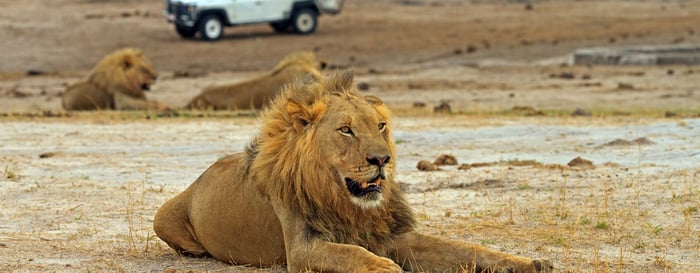
If you’re lucky, you may encounter desert-adapted lions along the Skeleton Coast or Hoanib region – never guaranteed, but unforgettable.
Namibia is also launching a giraffe conservation safari in partnership with the Giraffe Conservation Foundation, giving guests rare access to hands-on fieldwork protecting desert-adapted giraffe.
5. What would you recommend for the seasoned safari-goer?

6. Tell us about gorilla safaris
It’s one of the most humbling wildlife encounters you can have. Rwanda offers seamless logistics and very high-end lodges, but it comes at a premium with permits priced around US$1,500 per person per trek.
Uganda’s permits are closer to US$700, making it a more accessible option. You can also combine gorilla trekking with exceptional chimpanzee tracking in Kibale or Kyambura.
In addition to the camps below, I’m keeping an eye on Azilia Erebero Hills, a new lodge opening soon in Uganda and very well positioned for treks into Bwindi.
Top camp picks:
→ One&Only Gorilla’s Nest (Rwanda) – polished, luxurious and beautifully set at the foothills of the Virungas, with seamless logistics and strong guiding.
→ Bisate Lodge (Rwanda) – dramatic architecture, strong sustainability focus, and sweeping views of the Virungas.
→ Sabyinyo Silverback Lodge (Rwanda) – slightly more understated, but superbly located and guiding-led.
→ Clouds Mountain Gorilla Lodge (Uganda) – dramatic views, intimate atmosphere, and very well positioned for Nkuringo treks.
→ Mount Gahinga Lodge (Uganda) – characterful and well located for Mgahinga treks.
→ Bwindi Lodge (Uganda) – relaxed, well-run and consistently good.

I’d start at Victoria Falls, perhaps Mpala Jena, then head into the Okavango Delta to Duba Plains or Sitatunga Private Island. After that, Jack’s Camp in the Makgadikgadi Pans for something completely different.
Finish in Mozambique, somewhere like Kisawa Sanctuary.
A varied, romantic and remote itinerary – dream honeymoon ingredients.
7. Talk us through the dream honeymoon safari

8. What safaris work best for large multi-gen gatherings?
Private houses or exclusive-use camps are ideal for larger family groups, as they allow you to set your own pace and tailor activities to different ages and interests.
I often recommend:
→ Laragai or Lengishu (Laikipia) – exclusive houses in a malaria-free conservancy, offering riding, walking and excellent wildlife
→ Cottar’s Private Bush Villa (Kenya) – an exclusive villa in a Mara conservancy, with dedicated guides and vehicles
With full staff and room to spread out, you still enjoy access to prime wildlife areas but without being tied to a fixed camp schedule.

Many camps have minimum age restrictions for certain activities like walking safaris or mokoro trips. Hiring a private vehicle makes a huge difference with young children so you can go at your own pace.
Younger children are often more engaged than teenagers because they’re not worrying about WiFi. I took my daughter to Africa when she was four and she still remembers every detail.
9. Do you have any top tips for family safaris?
10. Describe the perfect family safari for each age group
Babies/Toddlers: Private houses. Stay in one place rather than bouncing between camps.
5–10 yrs: Kenya works brilliantly. Strong children programmes, Maasai cultural experiences, flexible guiding.
11–16 yrs: Zambia is excellent for an adventurous safari holiday. Some camps allow older teens to join walking safaris and older children tend to enjoy the conservation side more when they can relate it to what they are learning at school.

Budget: Self-drive in South Africa’s Garden Route or well-positioned camps in Namibia and Zimbabwe.
Blow the budget: Botswana and Tanzania’s private concessions. Tawana, Tuludi, Jack’s Camp – often with helicopter transfers and vast private areas.
Botswana’s tourism model is “high cost, low impact”. This means fewer camps, fewer vehicles, huge concessions. You could be exploring areas the size of Singapore with very few other guests.
11. Best budget and blow-the-budget options?

12. Most unique experiences by destination?
→ Zambia: Walking safaris in South Luangwa
→ Botswana: Quad biking in the Makgadikgadi Pans
→ Namibia: Desert lions in the Skeleton Coast region
→ Zimbabwe: Mana Pools along the Zambezi
→ Kenya: Horse riding in Laikipia, rhino conservation experiences
→ Tanzania: Seeing the Migration in the Lamai Wedge
→ South Africa: Leopard tracking in the Sabi Sands

We work with outstanding operators including Wilderness, Natural Selection, Great Plains, Asilia, and Singita. But we also love to use the smaller operators and owner-managed camps, like Kicheche, Offbeat Safaris, African Bush Camps, Cottar’s, Alex Walker’s Serian, Ultimate Safaris, and Nomad Tanzania.
Every camp in our portfolio meets a very high standard, but personally I’m drawn to those that focus on experience rather than over-the-top luxury. Places like Alex Walker’s Serian in Kenya have no WiFi, excellent guiding and proper campfires. For me, safari is about sitting around a fire under the stars, not gold taps in the bathroom.
13. Favourite safari camps?

14. How important is the guide on safari?
A great guide makes or breaks a safari. They understand animal behaviour, read the bush instinctively, and know when to sit quietly and when to move. The best guides read their guests as carefully as they read the landscape. They’re natural teachers and they elevate every sighting.
We’re very deliberate about who we work with. The operators in our portfolio invest heavily in guide training and conservation education, and many run respected guide academies and female guiding programmes. That depth of expertise makes a real difference to the guest experience.

June–October: Dry season, best for concentrated wildlife viewing across East and Southern Africa.
November–March: Green season – lush landscapes, newborn animals, excellent photography.
April–May: Long rains in East Africa, and many camps close. During this time, I’d focus on South Africa or parts of Southern Africa instead.
15. Talk us through safari seasonality

16. Ethical concerns – how do you vet camps?
We only work with camps that demonstrate genuine conservation and community impact – transparency, local employment, minimal environmental footprint.

For peak season and top camps, ideally 12 months or more. Family tents and small camps book fast, and many camps have only one or two family rooms.
We can sometimes pull off a great last-minute trip, but options will be more limited.
17. How far in advance do you need to book a safari?

18. What about beach add-ons?
A safari and beach combination is hard to beat. After the early starts and dust in your boots, a few days of barefoot luxury by the ocean works perfectly.
Mozambique’s Bazaruto Archipelago is incredibly beautiful and remote. Lamu and the Kenyan coast offer culture and character. Zanzibar combines history with clear water and a bit of spice island atmosphere. And in South Africa, finishing in Cape Town means great food, wine and beaches to round things off.
They all pair very well with safari.
Top beach picks:
→ Kisawa Sanctuary (Mozambique) – ultra-private, beautifully designed and genuinely remote
→ Zanzibar White Sand Villas (Zanzibar) – refined but relaxed barefoot luxury
→ Alfajiri Villas (Kenya Coast) – fully staffed private villas, excellent for families or multi-gen stays
→ Morukuru Beach Lodge (South Africa) – immersive coastal setting within a protected reserve
→ Birkenhead House (South Africa) – polished, cliffside elegance with serious views

Pack light and bring soft-sided luggage, as bush planes have strict weight limits. Laundry is included at most camps.
Bring layers. You’ll leave at 5am in fleece and a woolly hat and be in short sleeves by midday.
Bring any medication you might need, even basics like rehydration salts. Clinics can be hours away.
Carry cash for tips; there are no ATMs in the bush.
Don’t get too fixated on the Big Five. Safari is about far more than ticking off lions and leopards – wild dogs, towering giraffes and the birdlife often steal the show.
And be prepared for a bumpy ride. It’s all part of the fun!
19. Any tips for first-timers – things they might not know or often overlook?

20. Any pet hates?
Safari camps without a campfire. It’s the heart and soul of safari.
Whether it’s your first trip to Africa or your fifth, our Africa specialists will design a safari tailored to your pace, interests and travel style. Enquire now to start planning.
Photography credits: Callaghan Walsh, Great Plains, Natural Selections, Unsplash, and camps' own
Let us plan your
bespoke adventure
Lightfoot Travel organises tailormade safaris throughout Africa. Contact one of our expert travel consultants today to start planning.
Enquire Now